Storage
Store in a cool, dry, and well-ventilated place. Keep the container tightly closed and protect from moisture.
Shelf Life
24 months when stored under recommended conditions.
Industries Served
Pharmaceuticals
Nutraceuticals
Food Processing
Cosmetics & Personal Care
Chemical Manufacturing
These details are suitable for a professional product datasheet or a marketing design for Zambezi Chemical.
Shelf Life
4 Years
Shape
other
Appearance
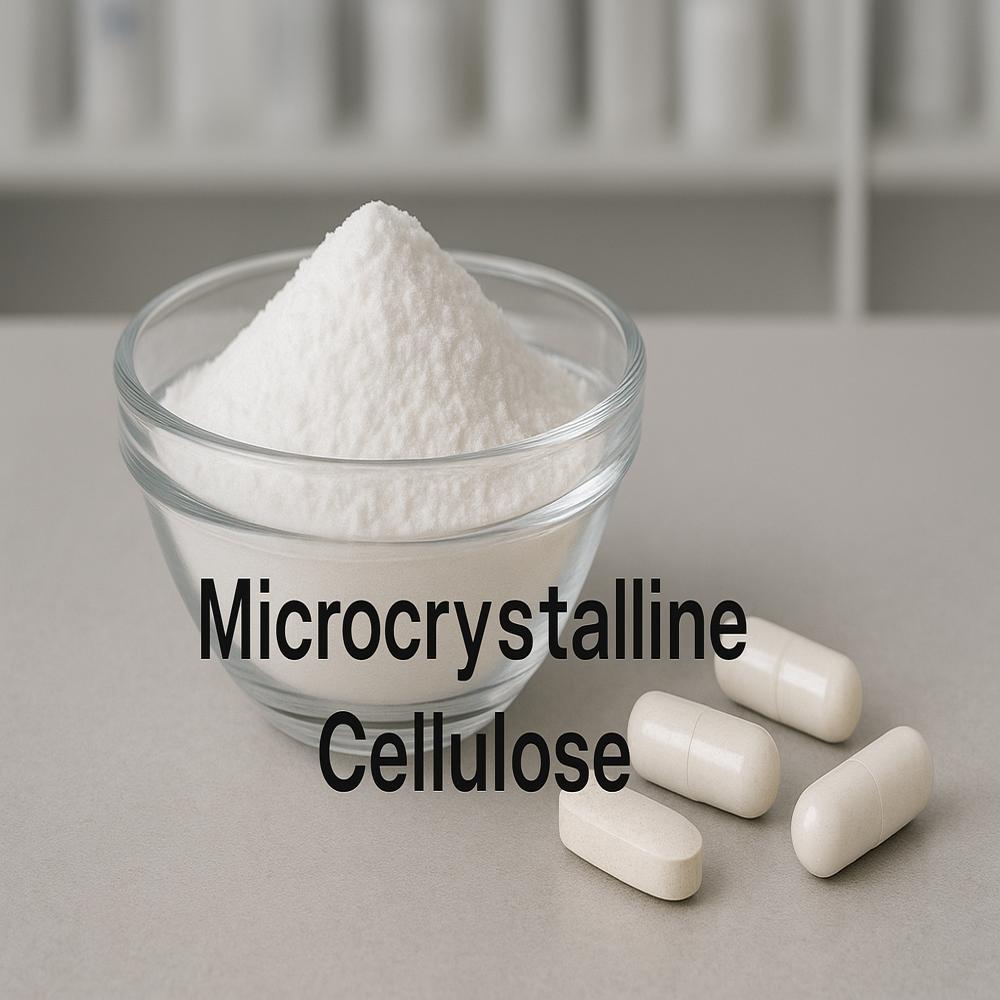
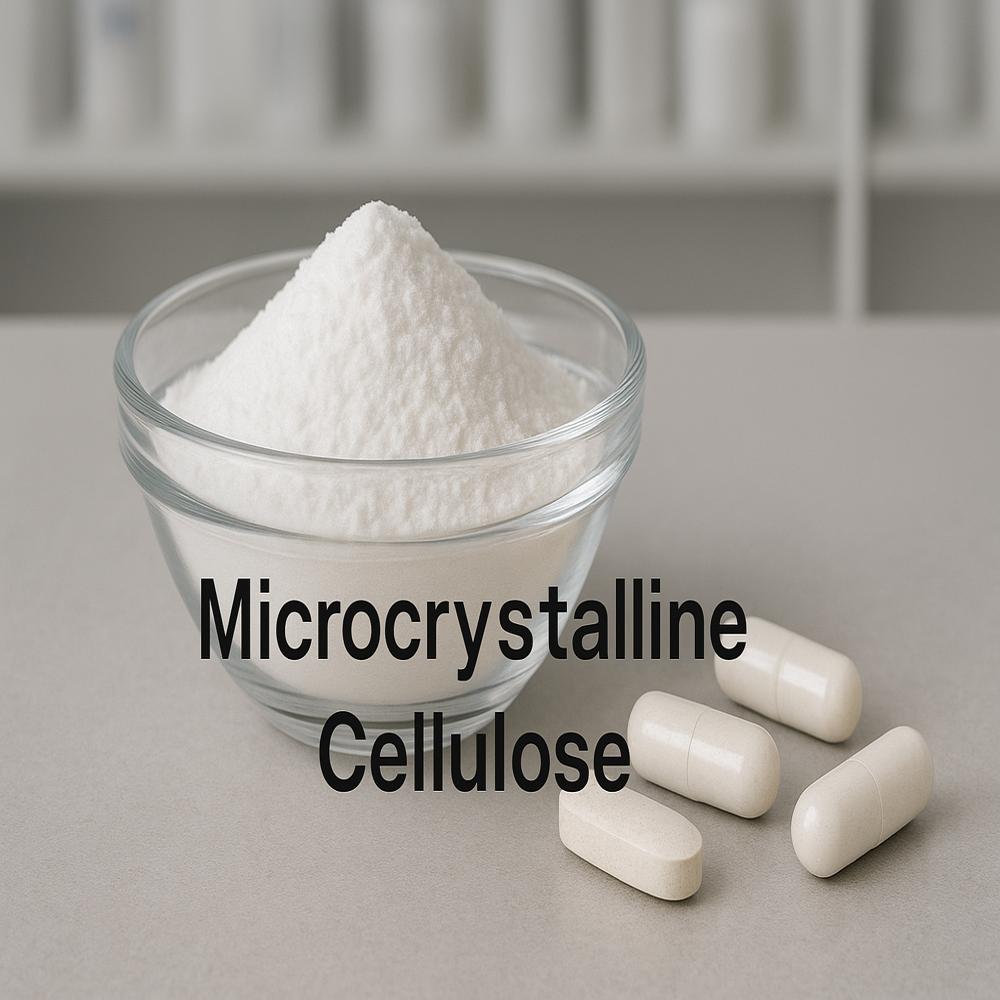
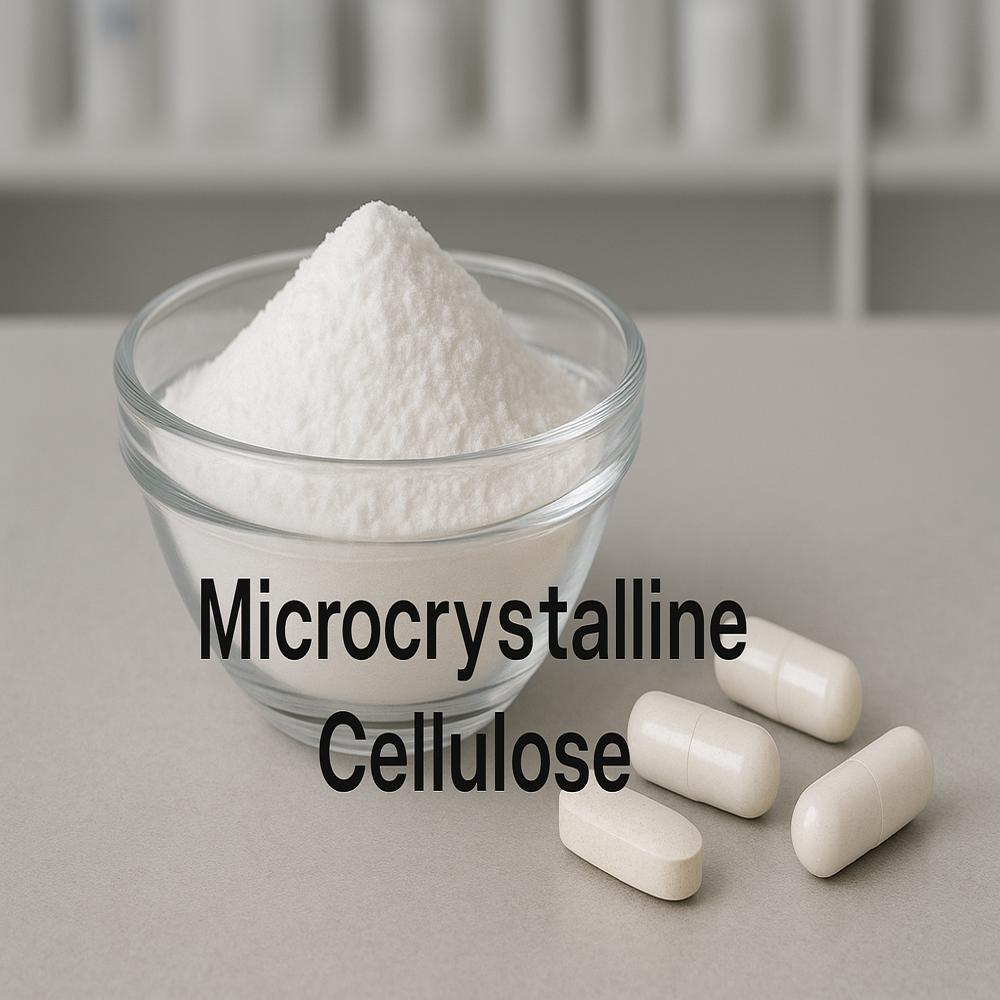
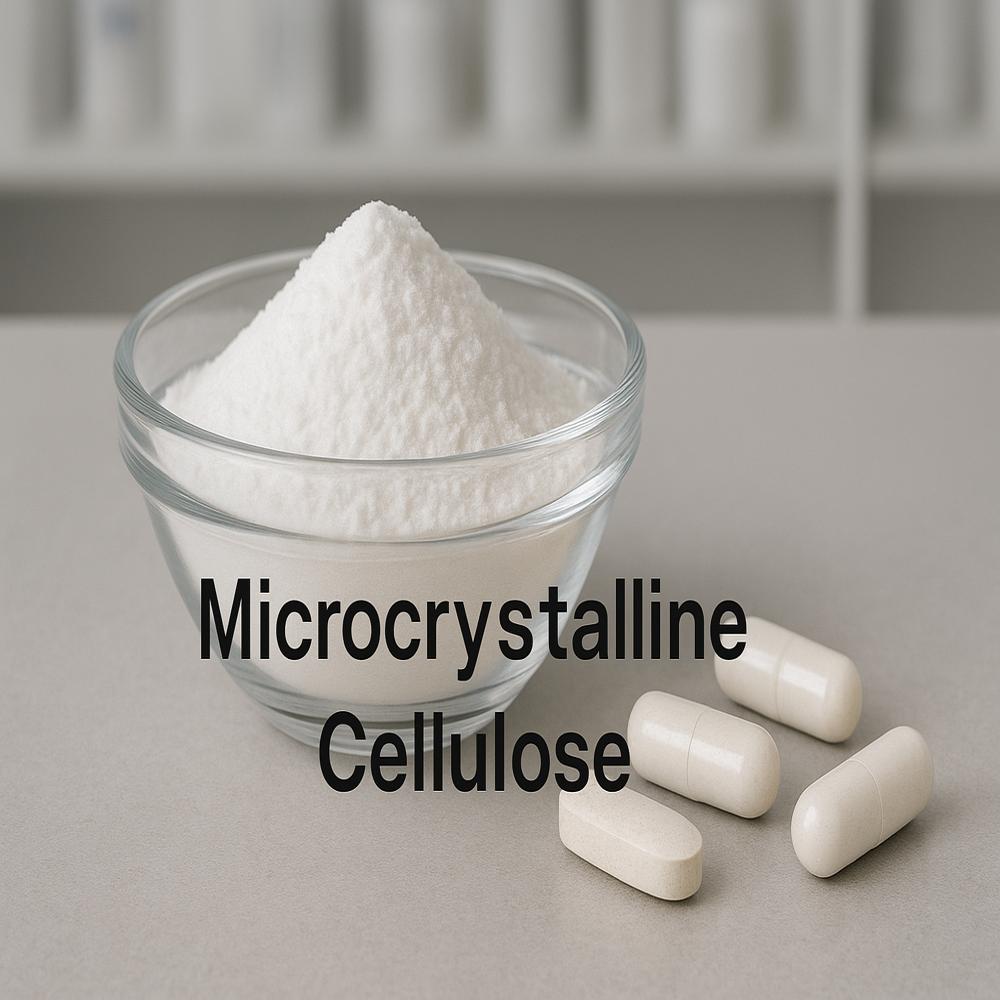
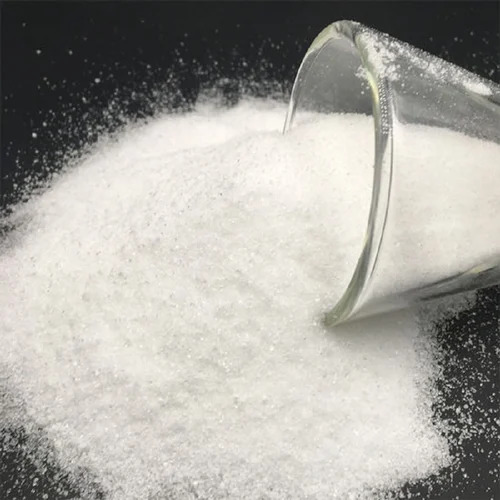
Microcrystalline Cellulose (MCC) Appearance: Color: White to off-white Form: Fine, free-flowing powder or granular powder (depending on grade) Texture: Odorless, tasteless, slightly fibrous Surface: Non-glossy, matte appearance Solubility: Insoluble in water, dilute acids, and most organic solvents; it swells and disperses in water rather than dissolving. Different grades (such as PH-101, PH-102, PH-200) may vary slightly in particle size and flow properties, but they all generally have the same white, fine powder appearance.
Storage
Other
Usage
Microcrystalline Cellulose (MCC) does not have a single, fixed molecular weight because it is a polymeric material made of many glucose units with varying chain lengths. It is therefore characterized by its degree of polymerization (DP) rather than a defined molecular weight.
Chemical formula (repeating unit): (C H O )
Molecular weight of one anhydroglucose repeating unit: 162.14 g/mol
Typical degree of polymerization (DP): ~150 300 (depending on the grade and manufacturer)
Therefore, the approximate average molecular weight is:
DP 150: 162.14 150 24,300 g/mol
DP 300: 162.14 300 48,600 g/mol
So, the typical average molecular weight of microcrystalline cellulose is approximately 24,000 49,000 g/mol, although it is usually reported as "not applicable" or "variable" in pharmacopeias because MCC is a mixture of cellulose chains rather than a single compound.